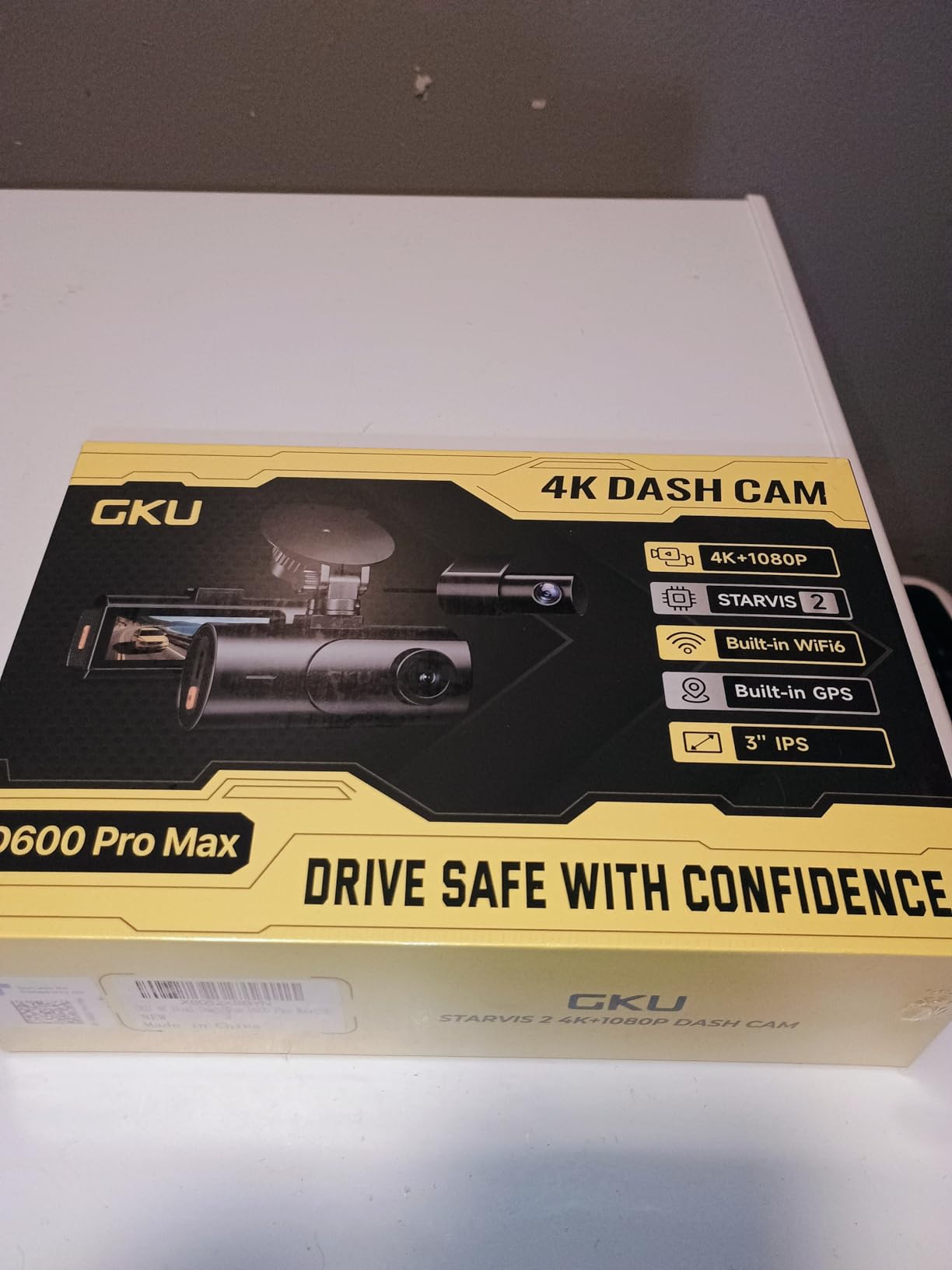
Is It Worth Getting A Front and Rear Dash Cam? Expert 2026 Review Breakdown

Is It Worth Getting A Front and Rear Dash Cam? Expert 2026 Review Breakdown

Every driver has asked this question at some point: Do I really need a front and rear dash cam, or is a simple front-only model enough?

With car accidents, insurance disputes, hit-and-runs, and parking lot damage happening every single day, dash cams have evolved from a niche car accessory into a near-essential safety tool. While front-only dash cams are cheap and easy to install, top automotive testing platforms and insurance industry studies prove that dual-channel front and rear setups deliver far more reliable protection. After analyzing hundreds of real-world tests, industry statistics, and professional reviewer findings, we’re breaking down exactly whether a dual dash cam system is worth your money in 2026.

Pros and Cons


Pros: 

Comprehensive Coverage: Records incidents from both ends, leaving no blind spots.

Synchronised Footage: Dual dash cam systems often sync footage, making it easier to review events in sequence.

Value for Money: Bundled front and rear dash cam packages can be more cost-effective than buying separate units.

Parking Safety: Parking mode with dual cameras can record incidents when you are away from the vehicle, such as someone hitting your car while parking.

Evidence for Insurance: Having rear-view footage makes it much easier to prove your case and expedite claims, as it often clears up disputes about who was at fault, according to discussions on Reddit.


Cons: Higher cost, more complex installation, potential for battery drain (if not professionally installed). 


The Hard Data: Why Rear Coverage Isn’t Optional

Most drivers assume front-facing footage covers all accident scenarios—but official traffic and insurance data tells a completely different story.

According to NHTSA (National Highway Traffic Safety Administration) crash statistics, rear-end collisions make up nearly 30% of all road accidents in the United States . A 2026 comprehensive dash cam test by automotive review platform Mercury PC further confirmed this figure, reporting that rear-end crashes account for 32% of all vehicular incidents . The biggest problem? A front-only dash cam cannot prove fault in these critical situations.

A landmark 2022 study from the Insurance Information Institute (III) revealed game-changing data for drivers: over 60% of disputed liability cases involving rear-end crashes were resolved faster with video evidence. Most importantly, 78% of those cases ruled in favor of the policyholder when rear dash cam footage was available to prove the trailing driver’s negligence .

Professional auto claims adjusters emphasize this gap constantly. Daniel Reyes, a 15-year veteran insurance adjuster, stated that front-only footage often leaves “he-said-she-said” ambiguity in multi-vehicle pileups. Without rear camera proof, innocent drivers frequently face unjust fault claims, premium hikes, and out-of-pocket repair costs.

What Footage Can a Rear Dash Cam Capture?
 

One of the reasons that people often ask if they need a front and rear dash cam is because, in the case of a rear-end accident, the driver in front is often given the benefit of the doubt and assumed by their insurance company to be not at fault. While this may be true, getting rear-ended is not the only type of incident that a rear-facing camera may capture. If you have a high-resolution camera, you may capture an image of a license plate during a hit and run, record an accident that takes place behind you, or provide evidence if another car is harassing you on the road.


Top Reviewers Verdict: Front + Rear Dash Cams Offer Irreplaceable Protection

Leading 2026 automotive tech reviews unanimously agree that dual-channel dash cam systems provide unmatched security compared to single-lens alternatives. Here’s what major testing platforms have concluded after thousands of hours of real-world road and parking tests.

1. Mercury PC’s 15-Model, 18-Month Comprehensive Test

After investing over $3,200 and 200+ testing hours on 15 popular dash cam models, the Mercury PC 2026 review explicitly recommends front and rear dual setups for all regular drivers . The team highlighted a critical real-world scenario: if you are stopped at a red light and rear-ended, the impact can push your car into the vehicle ahead. A front-only camera will only show you hitting the car in front, leaving you vulnerable to being blamed for the entire chain collision. Only rear footage can prove you were stationary and entirely fault-free.

The review also noted that hit-and-run incidents occur every 43 seconds in the US, and rear dash cam footage successfully identifies responsible parties in 80% of such cases, drastically increasing the chance of insurance compensation .

2. Propel RC’s Real Driver Case Studies

Propel RC, a trusted automotive gear review site, shared multiple verified 2025–2026 driver cases where rear dash cam footage saved drivers from financial ruin . One standout story involves a Chicago rideshare driver who was rear-ended at a stoplight. The at-fault driver falsely accused her of reversing into their vehicle. Thanks to clear dual-channel footage, the insurance company cleared her of all fault within 48 hours, protecting her driving record and preventing premium increases .

The platform’s core conclusion: The small upfront cost of a rear camera is negligible compared to the thousands saved in unfair claims and legal fees.

3. Long-Term Financial Savings Verified by Industry Tests

Independent dash cam industry analysis bestdashcamfrontandrear.net calculated long-term ROI for dual dash cam users . Their data shows that drivers with front and rear dash cams save an average of $400 on insurance costs over three years, thanks to claim discounts, avoided fraudulent charges, and zero-fault accident protection. Many major insurance providers offer an additional 5–15% annual premium discount for vehicles equipped with full dual-channel recording systems .

The Actual Downsides of Dual Front & Rear Dash Cams (No Hype, Honest Review)

No car accessory is perfect, and top reviewers never shy away from the drawbacks of dual dash cam setups. Understanding these tradeoffs helps you decide if the upgrade fits your lifestyle.

First, slightly higher cost and installation effort. Front-only dash cams typically range from $40–$120, while reliable front and rear systems start at $100 and go up to $250+ for premium models with 4K resolution and night vision . Installation is also more time-consuming: front-only cams take 10–20 minutes to install, while dual systems require 45–90 minutes to route rear camera cables neatly along vehicle trim and door seals.

Second, higher storage and power demands. Dual simultaneous recording consumes more microSD card storage and requires consistent power supply. Budget low-end models may compress video quality to save space, reducing footage clarity for evidence use.

Third, minor privacy and technical concerns. Continuous rear recording may capture pedestrians and public bystanders, requiring drivers to follow local recording privacy laws. Some entry-level dual models also suffer from unstable WiFi connectivity or loose rear camera mounts in extreme high temperatures.

Front-Only vs. Front + Rear: Who Should Choose Which?

Based on all 2026 expert tests and real-case data, we’ve simplified the decision for different types of drivers:

Stick with Front-Only If:

  • You only drive on quiet rural roads with minimal traffic
  • You always park your car in a secure private garage
  • You have an extremely tight budget and rarely encounter traffic disputes

Upgrade to Front + Rear Dual Dash Cam If:

  • You commute daily in heavy city traffic or on busy highways
  • You regularly park in public parking lots or street parking
  • You are a rideshare, delivery, or fleet driver
  • You want full protection from rear-end collisions, tailgating road rage, and hit-and-runs
  • You want to avoid unfair insurance fault claims and premium hikes


Final Expert Verdict (2026)


Yes, a front and rear dash cam is absolutely worth it for 90% of drivers.
The minor downsides of slightly higher cost and longer installation are vastly overshadowed by the comprehensive safety and financial protection dual systems deliver. As Lena Patel, Automotive Safety Analyst at DriverWatch Group, perfectly summarized: “The best dash cam is the one that captures the whole event—not just your version of it.” Anything can happen during your journey on the road. It can happen on the front as well as from behind. 

Front-only cams only tell half your driving story. In an era of rising insurance fraud, frequent hit-and-runs, and complex multi-vehicle accidents, rear coverage is no longer a luxury—it’s a practical, low-cost investment in your financial and driving safety.

Quick Tips for First-Time Buyers

If you’re ready to upgrade, stick to expert-recommended features from 2026 top tests: Choose models with Sony STARVIS 2 night vision sensors for clear low-light footage, loop recording + G-sensor impact locking, and reliable 5G WiFi for fast footage retrieval. Reputable entry-to-mid range options like the ROVE R2-4K DUAL and REDTIGER F7N deliver balanced performance for most everyday drivers.


View Expert Reviews in Youtube:


View more opinions from reddit

1. Rear is critical if you can make it happen. Not only will you verify multi car pile ups with the footage, road rage usually starts with the asshole behind you.
2. Not really - you don't need a rear dashcam. All you need is a front that shows what you are doing. If you are rear-ended, it is almost always the person that is behind you fault, as they are responsible for not hitting traffic in front of them. You don't have to prove someone is distracted on their cell or road raging - them hitting you puts them at fault.
3. Front cam prevents scams. Rear cam just gives you more evidence. Front is a need. Rear is a want.
4. The front will show me doing the speed limit in my lane and being rearended and my insurance will take care of it. Although, the more likely scenario is the car that hit me will have to drive past me to to flee because Im going to stop. And it’s pretty hard to hide a smashed front end from police with a description of the vehicle. I also have my cell phone I can use to record
5. Had a scenario where I was backing out between 2 suvs and allowed multiple cars the right-of-way while slowly inching out. After 4 vehicles going and being backed out to the point my rear doors were starting to show, a student driver and his mother (likely distracted) slammed into my vehicle. The woman in the suv next to me told us to move our vehicles so that she could get her kids, and the student quickly moved and parked. Even with all the caution I provided and the slow inching, insurance still found me at fault for that incident. With a rear cam; I may have had a better chance.

Dash Cam Front and Rear Recommendations:
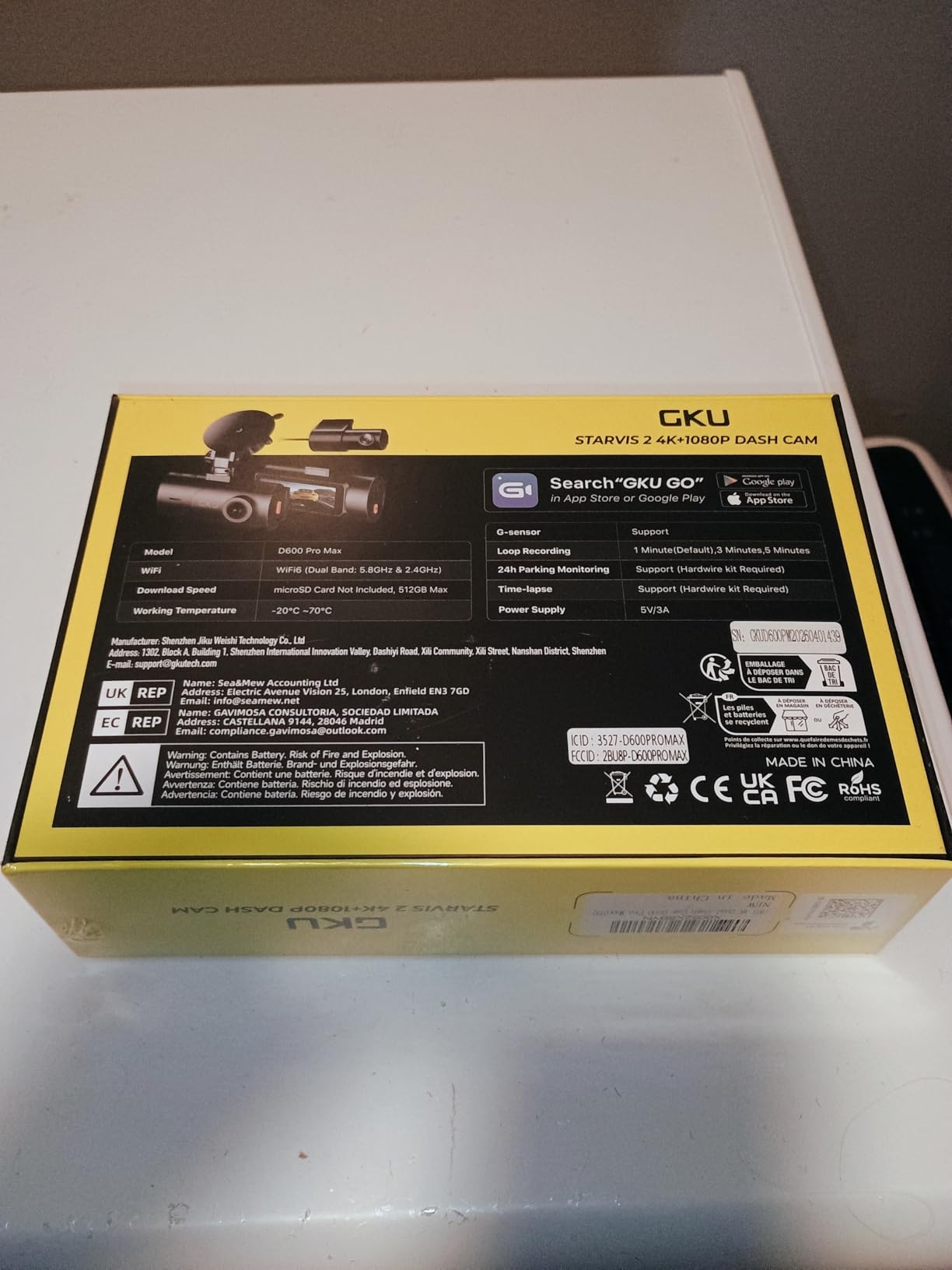

Have you ever been saved by dash cam footage? Share your story in the comments below!


Precedente

Lascia un commento