

What Is an Image Signal Processor (ISP)?
When comparing dash cams, most people focus on specifications like 4K resolution, HDR, or Sony STARVIS 2. While these features are important, one of the most critical technologies often goes unnoticed—the Image Signal Processor (ISP).
Think of the ISP as the brain of a dash cam. The image sensor captures light from the road, but the ISP processes that raw information into the clear, detailed video you actually see.
Without an advanced ISP, even a high-quality image sensor can't deliver its full potential. From reducing image noise to balancing exposure and improving color accuracy, the ISP is responsible for transforming raw data into reliable driving footage.
What Does an ISP Do?
Every second, a dash cam captures dozens of individual frames. Before those frames are saved as video, the ISP analyzes and optimizes each one in real time.
Its responsibilities include:
- Reducing digital image noise
- Optimizing brightness and exposure
- Processing HDR images
- Adjusting white balance
- Enhancing colors
- Increasing contrast
- Sharpening fine details
- Correcting lens distortion
- Improving image clarity
These adjustments happen instantly, helping produce footage that is cleaner, sharper, and more natural-looking.
Why the ISP Matters More Than You Think
A dash cam doesn't simply record what the sensor sees—it interprets and enhances that information before saving it.
That's why two dash cams with similar hardware can produce very different image quality.
A powerful ISP helps:
Reduce Image Noise
Low-light environments naturally introduce digital noise. An advanced ISP minimizes this while preserving important details, resulting in cleaner nighttime footage.
Balance Bright and Dark Areas
When driving at night, bright headlights and dark roads often appear in the same frame.
The ISP works together with HDR technology to preserve detail in both highlights and shadows, preventing overexposed headlights and overly dark road surfaces.
Improve License Plate Clarity
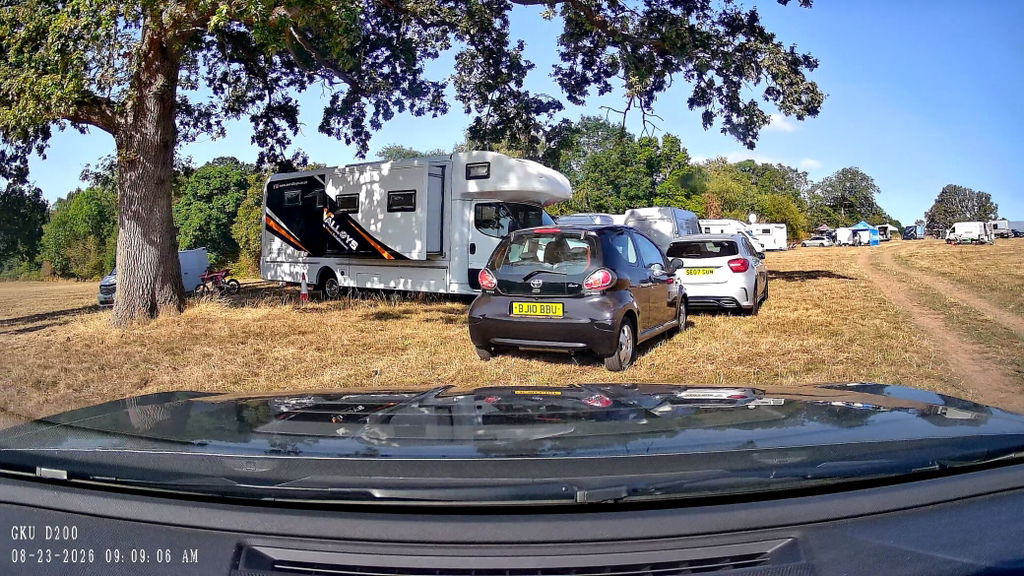
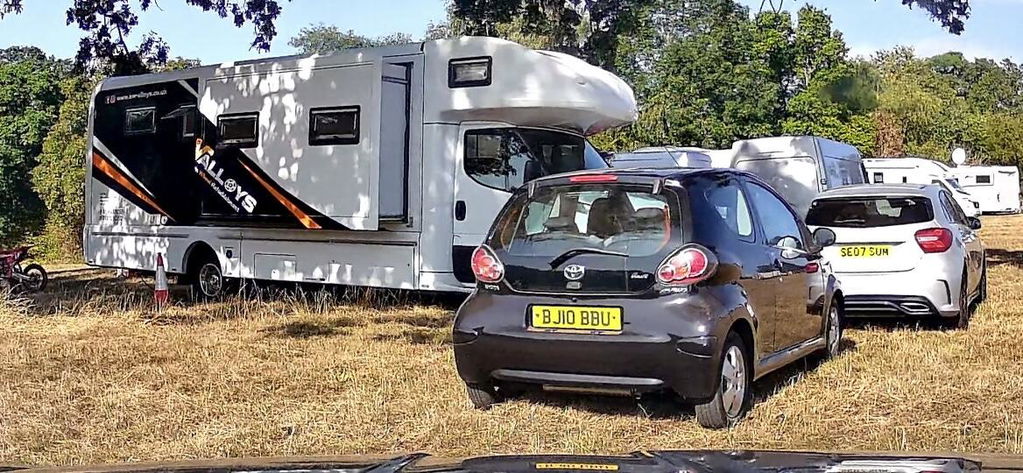
A good ISP enhances local contrast and sharpness, making license plates, road signs, and lane markings easier to recognize—especially when reviewing recorded footage.
ISP vs. Image Sensor: What's the Difference?
Although they work together, the image sensor and ISP perform completely different tasks.
| Image Sensor | Image Signal Processor (ISP) |
|---|---|
| Captures incoming light | Processes captured image data |
| Determines light sensitivity | Optimizes brightness, color, and detail |
| Affects low-light capability | Improves clarity and image quality |
| Hardware component | Dedicated image-processing engine |
A simple analogy:
- The image sensor is the eye.
- The ISP is the brain.
The sensor collects visual information, while the ISP decides how that information should appear in the final recording.
How ISP Works with Sony STARVIS 2
The Sony STARVIS 2 image sensor captures more light than conventional sensors, especially in challenging low-light conditions.
The ISP then processes that information by:
- Reducing digital noise
- Enhancing shadow detail
- Controlling bright highlights
- Optimizing color accuracy
- Improving edge sharpness
Together, these technologies produce cleaner and more balanced footage than either could achieve on its own.
ISP and HDR Work Hand in Hand
HDR (High Dynamic Range) is another technology that depends heavily on the ISP.
The ISP combines multiple exposure levels into a single frame, allowing the dash cam to retain detail in both bright and dark areas simultaneously.
This improves visibility in situations such as:
- Night driving
- Sunrise and sunset
- Entering or exiting tunnels
- Rainy weather
- Streets with strong headlight glare
The result is more balanced footage with fewer blown highlights and clearer shadow detail.
Why Resolution Alone Isn't Enough
Many buyers assume that a 4K dash cam automatically delivers excellent image quality.
However, resolution is only one part of the imaging system.
A camera with poor image processing may still produce:
- Grainy nighttime footage
- Washed-out highlights
- Soft details
- Weak color accuracy
By contrast, a well-designed ISP ensures that the image sensor, lens, HDR, and resolution work together to deliver consistently high-quality recordings.
The GKU E200 Imaging System
The GKU E200 combines several advanced imaging technologies to deliver dependable performance in both daytime and nighttime driving.
Its imaging system includes:
- Sony STARVIS 2 image sensor
- True 4K Ultra HD recording
- HDR technology
- Advanced Image Signal Processing
- Intelligent low-light optimization

Together, these technologies help produce:
- Cleaner nighttime footage
- Reduced headlight glare
- Sharper license plates
- Better color accuracy
- Lower image noise
- Enhanced road detail
Instead of relying on a single specification, the GKU E200 uses an integrated imaging pipeline to maximize image quality in real-world driving conditions.
What Else Affects Image Quality?
An ISP is essential, but it's only one part of the equation.
For the best recording performance, look for a dash cam that combines:
- A premium image sensor for better light sensitivity.
- HDR technology for balanced exposure.
- High-quality optics to reduce flare and distortion.
- True 4K resolution for capturing fine details.
- An advanced ISP to process every frame intelligently.
When these technologies work together, they produce clearer, more reliable footage in a wide variety of driving conditions.
Final Thoughts
The Image Signal Processor may not be the most visible feature on a specification sheet, but it is one of the most important components inside a modern dash cam.
By processing every frame in real time, an advanced ISP improves brightness, reduces noise, balances exposure, and enhances fine details—especially when driving at night.
Combined with Sony STARVIS 2, HDR, and True 4K recording, the GKU E200 delivers image quality you can rely on when it matters most.
Because great footage doesn't come from higher resolution alone—it comes from smarter image processing.
Frequently Asked Questions
What is an ISP in a dash cam?
An Image Signal Processor (ISP) is a dedicated processor that converts raw image data from the camera sensor into the final recorded video by applying noise reduction, HDR processing, color correction, and exposure adjustments.
Does an ISP improve night vision?
Yes. A capable ISP helps reduce digital noise, preserve shadow detail, and control bright headlights, resulting in clearer footage during nighttime driving.
Is an ISP more important than 4K resolution?
Both are important, but a high-resolution camera without advanced image processing may still produce poor-quality footage. The best image quality comes from combining True 4K recording with a premium image sensor and an advanced ISP.
Does HDR rely on the ISP?
Yes. HDR processing is performed by the ISP, which combines different exposure levels into a single balanced image.
Which GKU dash cam features advanced image processing?
The GKU E200 combines a Sony STARVIS 2 image sensor, HDR technology, True 4K recording, and advanced image processing to deliver clearer, more balanced footage in both day and night driving.
Komentarze: 0