

Why HDR Matters in a Dash Cam
A dash cam is only as valuable as the footage it records. While many drivers focus on 4K resolution or wide viewing angles, one feature often has an even greater impact on real-world video quality—HDR (High Dynamic Range).
Whether you're driving through bright sunlight, entering a dark tunnel, or facing the glare of oncoming headlights at night, HDR helps your dash cam capture a clearer, more balanced image.
For drivers who frequently travel at night or in changing lighting conditions, HDR isn't just a premium feature—it's an essential one.

What Is HDR?
HDR, or High Dynamic Range, is an imaging technology that balances extremely bright and dark areas within the same frame.
Instead of allowing bright light sources to become overexposed or dark areas to lose detail, HDR intelligently adjusts exposure to preserve information across the entire scene.
The result is:
- Better-balanced images
- More visible shadow detail
- Reduced headlight glare
- Improved contrast
- More natural colors
Why Night Driving Is So Challenging
Nighttime presents some of the toughest conditions for any dash cam.
Drivers often encounter:
- Bright LED headlights
- Street lamps
- Reflective road signs
- Wet roads
- Deep shadows
- Dark parking lots
Without HDR, these situations can produce footage with blown-out highlights, dark shadows, and missing details.
This can make it difficult to identify vehicles, pedestrians, or license plates when reviewing recordings.
How HDR Improves Dash Cam Footage
Reduces Headlight Glare
One of HDR's biggest advantages is minimizing the intense glare caused by headlights at night.
Instead of bright lights washing out the entire frame, HDR preserves surrounding details, making nearby vehicles and road markings easier to see.
Preserves Shadow Detail
Road hazards don't always appear in well-lit areas.
HDR helps reveal:
- Pedestrians
- Cyclists
- Curbs
- Parked vehicles
- Road debris
that may otherwise disappear into dark shadows.
Makes License Plates Easier to Read
A license plate can quickly become unreadable if a vehicle is illuminated by strong headlights or moving between bright and dark areas.
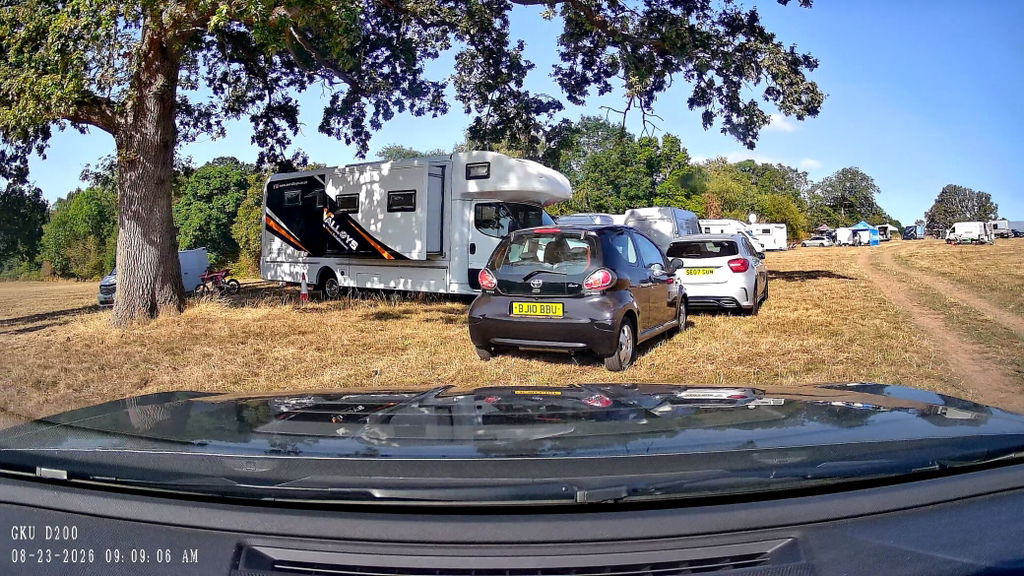
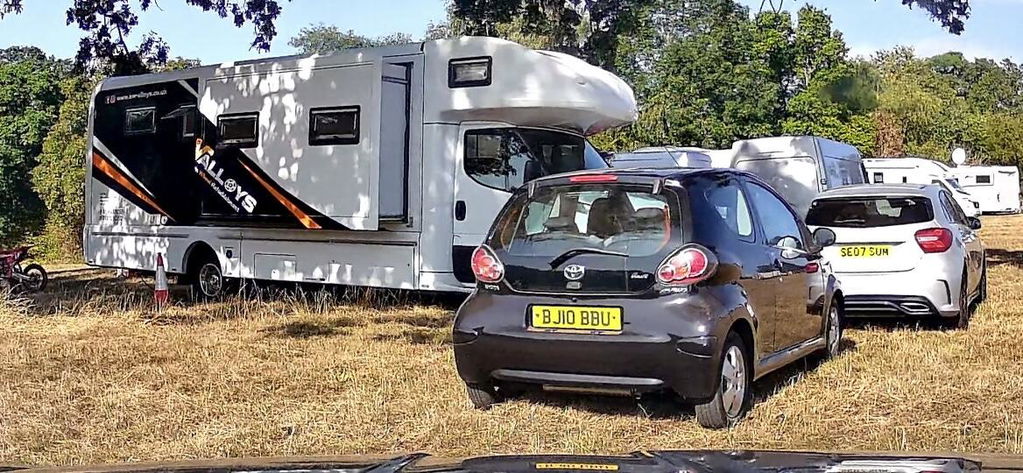
By balancing exposure, HDR helps maintain sharper, more readable license plates—an important advantage when footage is needed for insurance claims or accident investigations.

Delivers More Natural Images
HDR doesn't simply make footage brighter.
Instead, it creates images with:
- Better contrast
- More accurate colors
- Smoother transitions between light and dark areas
The result is video that looks closer to what you actually saw while driving.
HDR vs. Standard Recording
| Feature | Standard Recording | HDR Recording |
|---|---|---|
| Headlight Glare | Strong | Reduced |
| Shadow Detail | Limited | Enhanced |
| License Plate Clarity | Can be affected | Better preserved |
| Dynamic Range | Narrow | Wide |
| Night Driving | Basic | Significantly improved |
| Overall Image Balance | Lower | Higher |
Does HDR Replace a Good Image Sensor?
No.
HDR works best when paired with a high-quality image sensor.
The overall image quality of a dash cam depends on several technologies working together:
- Image sensor
- Lens quality
- HDR processing
- Image Signal Processor (ISP)
- Noise reduction algorithms
- Video resolution
That's why premium dash cams combine HDR with advanced sensors rather than relying on HDR alone.
Why the GKU E200 Combines HDR with Sony STARVIS 2
The GKU E200 pairs HDR technology with the Sony STARVIS 2 image sensor, creating a powerful combination for low-light recording.
Together, these technologies help deliver:
- Sharper nighttime footage
- Better highlight control
- Reduced image noise
- Clearer license plates
- Improved visibility in rain and tunnels
- More reliable evidence in challenging driving conditions
Combined with True 4K Ultra HD recording, the GKU E200 captures more detail while maintaining balanced exposure across every frame.
When HDR Makes the Biggest Difference
HDR is particularly useful in situations such as:
- Driving at night
- Entering or exiting tunnels
- Sunrise and sunset
- Rainy weather
- Parking garages
- Urban streets with mixed lighting
- Highways with oncoming traffic
In these environments, HDR helps ensure that important details remain visible instead of being lost to excessive brightness or darkness.
Is HDR Worth It?
For most drivers, absolutely.
If you regularly drive after dark or in changing lighting conditions, HDR can significantly improve the quality and usefulness of your recordings.
Rather than focusing solely on resolution, choosing a dash cam with both HDR and a high-performance image sensor can make a noticeable difference in real-world performance.
Final Thoughts
When choosing a dash cam, it's easy to focus on headline specifications like 4K resolution. However, clear footage depends on more than just pixels.
HDR plays a critical role in balancing light and shadow, reducing glare, and preserving the details that matter most—especially at night.
By combining HDR, Sony STARVIS 2, and True 4K recording, the GKU E200 is designed to deliver dependable image quality in the real-world conditions drivers face every day.
Because when every detail matters, better image processing can make all the difference.
Frequently Asked Questions
What does HDR mean in a dash cam?
HDR (High Dynamic Range) is a technology that balances bright and dark areas within the same image, helping produce clearer footage in difficult lighting conditions.
Is HDR better than standard recording?
In most high-contrast environments—such as nighttime driving, tunnels, or direct sunlight—HDR provides better exposure balance and preserves more detail than standard recording.
Does HDR improve night vision?
Yes. HDR helps reduce glare from headlights, reveals more shadow detail, and improves overall image balance, making nighttime footage clearer and easier to review.
Is HDR useful during the day?
Yes. HDR is also beneficial during daytime driving, especially in bright sunlight, backlit scenes, or when entering and exiting tunnels.
Which GKU dash cam features HDR?
The GKU E200 combines HDR with a Sony STARVIS 2 sensor and True 4K recording to deliver excellent performance in both daytime and nighttime driving.
0件のコメント