Why Does Dash Cam Night Footage Look Grainy? Causes and How to Improve It
Grainy dash cam footage is common at night because cameras have much less light available to create a clean image. Learn why image noise appears, how sensor ...

Grainy dash cam footage is common at night because cameras have much less light available to create a clean image. Learn why image noise appears, how sensor ...
Bright sunlight and headlights can wash out important details in dash cam footage. Learn why dash cam glare happens and how HDR, WDR, image sensors, exposure...
A dash cam can give new drivers an extra layer of protection by recording important moments on the road and while parked. This guide explains how to choose t...
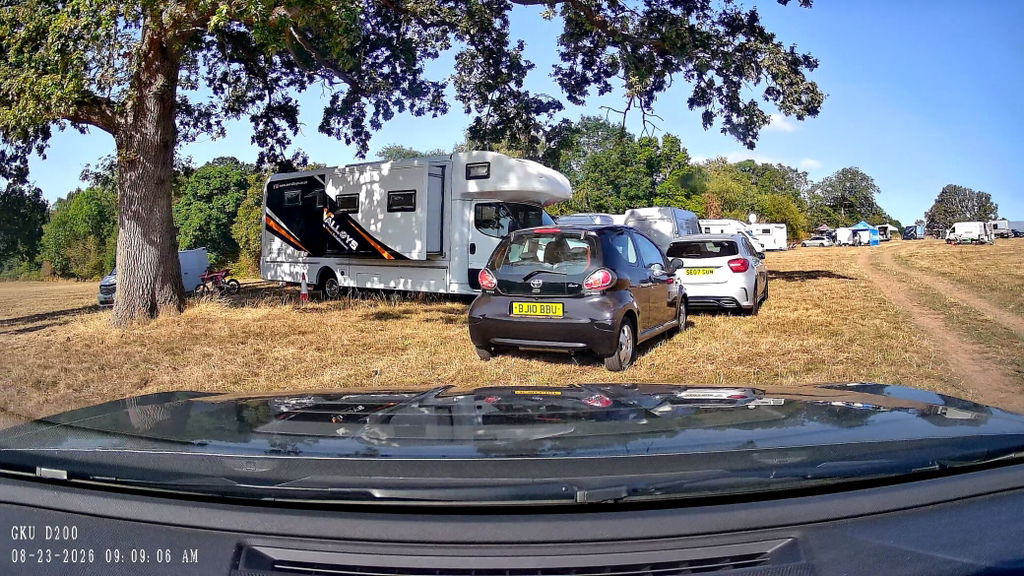
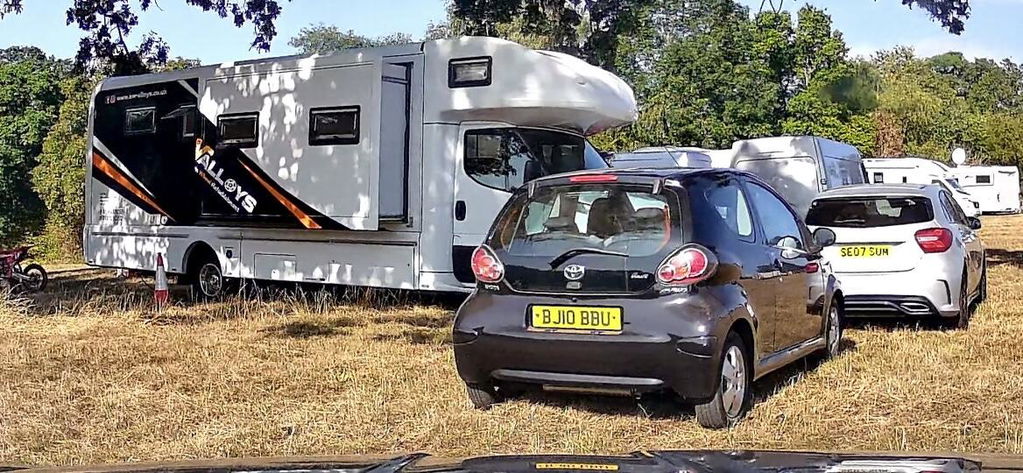
You check your dash cam footage after a drive, only to find that license plates look soft, moving cars appear smeared, or the entire video seems less sharp t...
When comparing dash cams, a 170° viewing angle may sound automatically better than 140°. After all, a bigger number means the camera can see more of the road...
Learn what field of view (FOV) means in a dash cam and compare 140°, 150°, and 170° viewing angles for road coverage, image detail, and license plate capture.
Compare 30FPS vs 60FPS dash cams and learn how frame rate affects motion clarity, license plate capture, night vision, storage, 4K recording, and video quality.
Compare H.264 vs H.265 for dash cams. Learn how each video codec affects 4K video quality, file size, storage, recording time, compatibility, and playback.
Learn what video bitrate is and how it affects dash cam video quality, 4K recording, license plate clarity, storage space, night footage, and recording time.